September 5, 2026
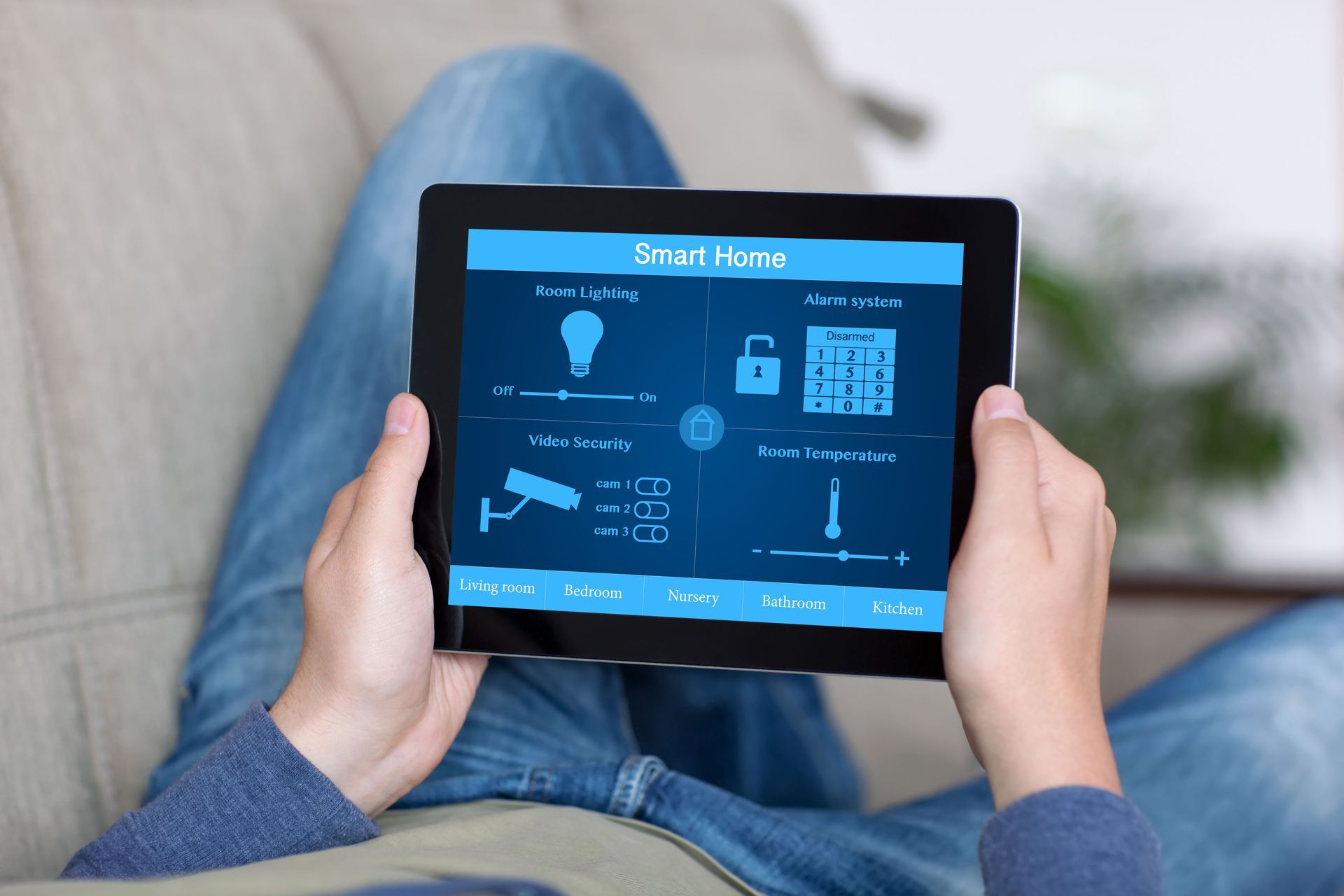
The modern residential space evolves continuously alongside breakthroughs in residential automation technology. Today, modern living spaces depend heavily on interconnected systems that deliver efficiency, robust security, and unparalleled convenience.
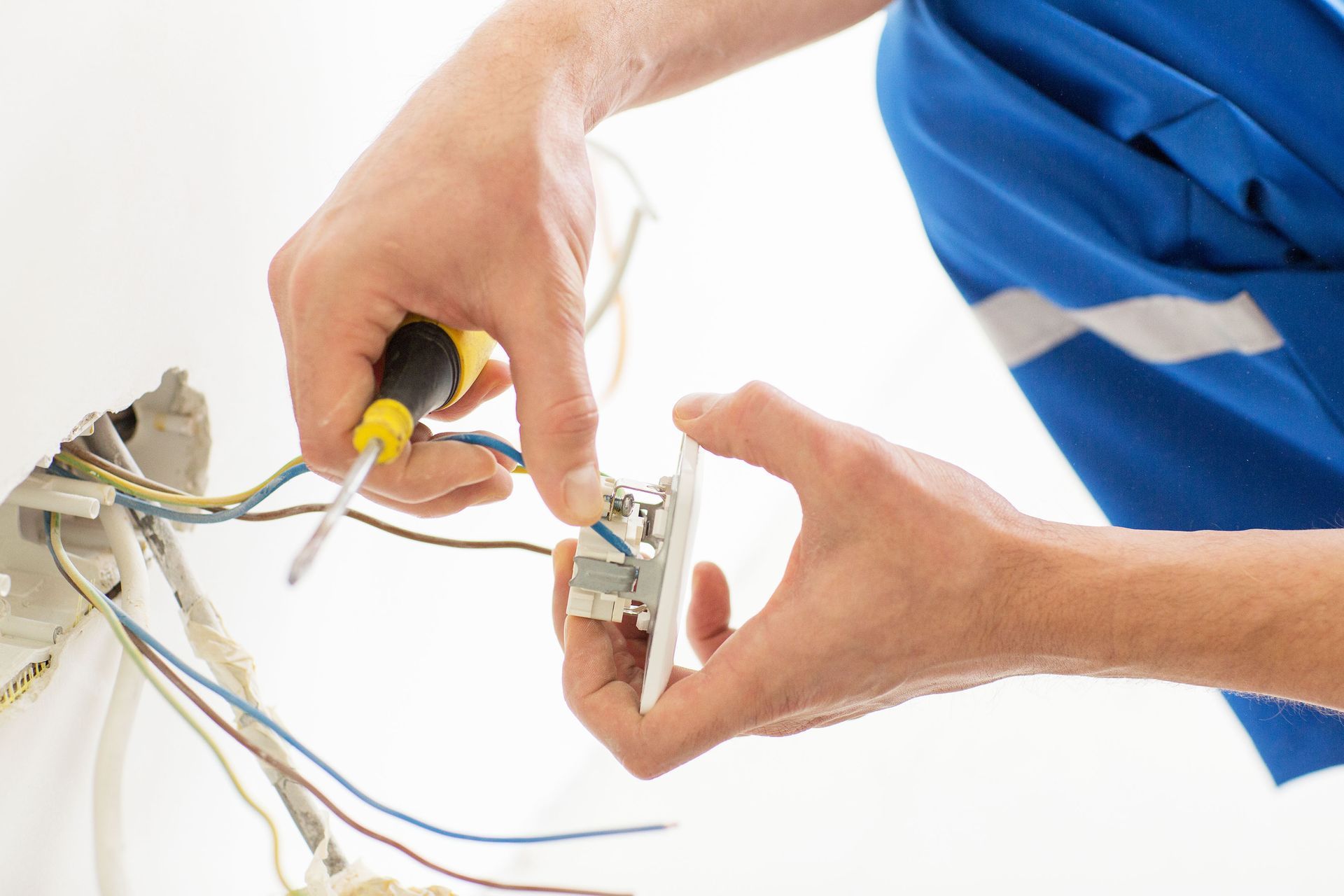
These sophisticated system installations require advanced wiring skills and deep technical knowledge. Expert electrical contractors handle complex installations that keep systems running smoothly while maintaining ultimate electrical safety.
Homeowners seek modern solutions to lower monthly utility bills and optimize daily routines. Skilled electrical contractors help turn standard living spaces into fully automated hubs through strategic electrical upgrades.
According to RubyHome, approximately 77.05 million homes in the U.S. are actively using smart home devices as of 2026. This widespread adoption increases the need for professional technicians capable of installing high-demand equipment correctly.
Mastering modern automation installations allows electrical contractors to provide long-term reliability for modern households. Here are several key systems that technical specialists handle regularly.
1. Integrate Intelligent Lighting Controls
Automated lighting systems represent one of the primary entry points for residential upgrades. Professional electrical contractors configure centralized control panels, smart dimmers, and ambient sensors to regulate illumination automatically based on occupancy or natural sunlight.
Proper installation prevents circuit overloading and guarantees seamless communication between wireless wall switches and main hubs. Licensed electrical contractors verify that low-voltage control lines remain properly insulated, protecting delicate internal circuitry from unexpected power surges.
Beyond convenience, modern illumination management drastically reduces overall household energy expenditure. Smart lighting protocols allow homeowners to create customized schedules, lowering power consumption during peak hours without sacrificing comfort or safety.
Proper installation of these systems involves detailed planning regarding circuit routing and load management. Qualified specialists examine existing household wiring structures to determine whether supplemental electrical runs are required for continuous network stability.
Integrating multi-zone lighting modules allows seamless transitions between pre-set atmospheric modes. Homeowners gain absolute command over indoor atmosphere, security illumination, and landscape lighting arrays through unified master interfaces.
Key components that specialists integrate into custom residential lighting setups include:
- Intelligent wall dimmers and scene-selection keypads.
- Occupancy and motion sensors for automated activation.
- Daylight harvesting modules that adjust according to outdoor light.
2. Install Smart Main Electrical Panels
Standard circuit breaker panels struggle to manage modern energy loads efficiently. Advanced digital electrical panels enable real-time tracking of household energy consumption directly from mobile applications.
Experienced electrical contractors upgrade outdated panels to accommodate these high-tech distribution centers. These panels allow homeowners to monitor energy usage per breaker, isolate faulty appliances immediately, and optimize solar battery storage.
Modern digital panels provide granular control over individual sub-circuits across the property. Homeowners can prioritize critical appliances during sudden power outages, shedding non-essential loads automatically to maximize standby battery duration.
Installing these distribution hubs requires qualified electrical contractors to re-route primary feeder cables securely. Correct wire calibration ensures maximum safety while preventing nuisance breaker tripping under heavy electrical loads.
These intelligent centers continuously collect performance metrics, identifying potential short circuits or degrading wiring insulation before serious hazards emerge. Proactive notifications alert residents to unusual draw spikes, preventing costly electrical repairs down the road.
Additionally, digital distribution centers streamline future additions of heavy power consumers. Upgrading the central electrical core early ensures smooth integration of future structural expansions, pools, or workshop machinery.
3. Deploy Whole-Home Surge Protection Devices
Connected appliances and sensitive automated hubs remain highly vulnerable to sudden voltage spikes. Point-of-use surge protectors often fail to safeguard internal microprocessors from lightning strikes or main grid fluctuations.
Professional electrical contractors install whole-house surge suppression systems directly at the primary electrical service panel. This comprehensive barrier absorbs excess voltage before dangerous electrical currents reach expensive equipment.
Transient voltage spikes occur frequently due to grid switching, heavy equipment cycling, or nearby storm activity. Continuous exposure to minor voltage fluctuations degrades internal microelectronics gradually, leading to premature appliance failure.
Comprehensive surge mitigation shields sensitive components within automated refrigeration units, computing hardware, and smart entertainment arrays. Investing in primary entry protection prevents sudden financial losses associated with destroyed digital equipment.
By placing hardwired surge units at main service entrances, electrical contractors prevent catastrophic equipment failure. This critical upgrade safeguards major investments in automated appliances, home entertainment hubs, and security networks.
Installing primary surge units demands strict adherence to safety protocol and grounding standards. Professional installation guarantees optimal diversion pathways, conducting excessive energy safely into the earth away from domestic branch circuits.
4. Wire High-Speed Electric Vehicle Chargers
Electric vehicles require dedicated high-voltage circuits to support fast overnight charging. Standard outlets deliver insufficient power, forcing homeowners to seek professional circuit installation services.
Certified electrical contractors evaluate residential power capacity to determine if main panel upgrades are required before installing chargers. They safely wire dedicated high-amperage breakers to prevent circuit overheating during prolonged charging cycles.
Fast charging equipment places continuous heavy stress on residential power delivery networks. Specialists install heavy-gauge copper wiring capable of handling high electrical current continuous draw without experiencing thermal degradation.
Proper conduit placement protects outdoor charging connections against severe weather, moisture ingress, and physical damage. Robust installation methods ensure long-term durability and safe operation under challenging environmental conditions.
Primary considerations during an electric vehicle charger installation process include:
- Verifying local electrical code compliance and permit requirements.
- Calculating total household load capacity to prevent overloading.
- Selecting appropriate wire gauges for sustained high-amperage draw.
5. Position Automated Climate Control Wiring
Modern climate control systems rely on complex wiring frameworks to regulate home temperatures efficiently. Smart thermostats require steady common wire connections to power continuous wireless communication without draining backup batteries.
Technically skilled electrical contractors install necessary low-voltage wiring pathways across multiple heating and cooling zones. This steady power delivery keeps sensors active and ensures accurate temperature adjustments throughout every season.
Proper environmental monitoring relies on multiple distributed sensor nodes positioned strategically across different living areas. Balanced sensor networks eliminate hot or cold spots, optimizing overall household thermal efficiency.
Integrating motorized dampers within main ductwork allows fine-grained temperature control for separate household zones. Automated zoning systems direct conditioned air only to occupied spaces, reducing operational wear on central heating units.
Proper sensor positioning prevents inaccurate readings caused by direct sunlight or drafts. Expert electrical contractors calibrate these environmental control hubs to optimize overall heating and cooling performance continuously.
Reliable low-voltage wiring pathways prevent intermittent signal drops between main HVAC control boards and smart thermostats. Dependable power delivery ensures uninterrupted seasonal programming and remote mobile access.
6. Set Up Hardwired Security Infrastructure
Wireless security cameras often suffer from signal interference or battery depletion. Professional security setups utilize hardwired power over Ethernet lines to guarantee unbroken video recording and immediate response times.
Specialized electrical contractors run hidden cabling through walls and attic spaces to power exterior cameras, digital door locks, and motion sensors. Hardwired connections ensure uninterrupted performance regardless of wireless network congestion.
Physical wiring runs provide maximum protection against signal jamming attempts or external electronic interference. Encapsulated network lines transmit high-definition surveillance video reliably to central local recording servers without buffering delays.
Integrating strategic perimeter lighting with security networks creates active deterrence against unauthorized access. Automated floodlights activate instantly upon sensor triggering, recording clear visual data under low-light conditions.
Technicians also integrate backup battery systems into primary security power circuits. Licensed electrical contractors test these power supplies to guarantee seamless operation during unexpected grid outages.
Comprehensive physical security installations increase overall property valuation while providing total peace of mind. Professional wiring ensures that essential monitoring equipment remains online regardless of weather conditions or local power stability.
Ready to upgrade your property with advanced automated systems, high-efficiency lighting, or dedicated charger installations? Contact Focus Electrical Contractors to schedule a consultation with qualified professionals today!